Lean in infrastructure: working smarter for better projects
It’s Monday morning, 07:00. On the construction site, the team is ready, the coffee is made, and the schedule is hanging on the board. Yet problems arise immediately: “That drawing isn’t completely correct, the material is arriving too late, and the permit still hasn’t been approved…” Sound familiar? For many infrastructure project teams, this is daily reality. Small disruptions immediately impact planning, costs, and quality.
How can you stay in control in such a complex environment? How do you prevent projects from getting stuck, people from becoming frustrated, and deadlines from being put at risk?
The answer is Lean. Not as a temporary improvement project, but as a way of working that structurally tackles delays, failure costs, and frustrations. In this blog, you will discover:
Why Lean can make the difference in infrastructure
Which types of waste occur most often in projects
How Lean improves processes, collaboration, and ownership
What the first steps are to structurally implement Lean
After reading, you will not only know what Lean delivers, but also how to integrate it into the daily practice of your projects, together with everyone on the work floor.
Why Lean in infrastructure?
Infrastructure projects involve long lead times, many handover moments, and a large amount of coordination between disciplines. Small disruptions can have major consequences for planning, costs, and quality. Think, for example, of:
delays caused by missing or unclear information;
materials becoming available too early or too late;
rework due to errors in preparation or execution.
Lean helps infrastructure organizations tackle these bottlenecks structurally. Not by working harder, but by organizing work more intelligently. The focus shifts from firefighting to continuously improving processes. The result: more calm in execution, better predictability, and higher quality. In addition, employees become more actively involved in improvements, which increases collaboration and job satisfaction.
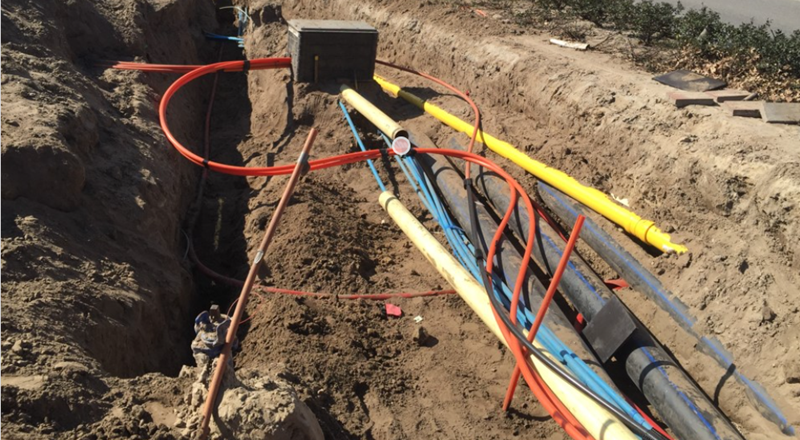
The biggest types of waste in infrastructure projects
Waste in infrastructure is often recognizable and concrete. Waiting times, failure costs, and inefficient handovers are the most common culprits. Think, for example, of:
waiting for approvals, drawings, or permits;
duplicate work due to unclear agreements or handovers;
unnecessary transport and storage of materials;
additional inspections or repairs due to quality issues;
inefficient coordination between chain partners.
Lean makes this waste visible. By jointly analyzing processes and reflecting daily on bottlenecks, insight is created into where time, money, and energy are being lost. This insight forms the basis for targeted improvements that have a direct effect on execution.
What is Lean in infrastructure?
Lean means working without waste, with maximum focus on customer value. In infrastructure, this translates into optimizing project processes, from preparation to delivery. It is about creating flow in an environment that is naturally complex and constantly changing.
Important elements within Lean include:
clear and stable processes in a project-based environment;
transparency in planning, progress, and bottlenecks;
collaboration across departments and organizations;
daily improvement on the work floor.
Tools such as daily stand-ups, visual boards, and standardization are supportive, but the real strength lies in behavior and culture. Lean requires ownership, open communication, and the courage to make problems discussable. From project manager to site supervisor, and from planner to chain partner: everyone works together to determine how the work can be done better today than yesterday.
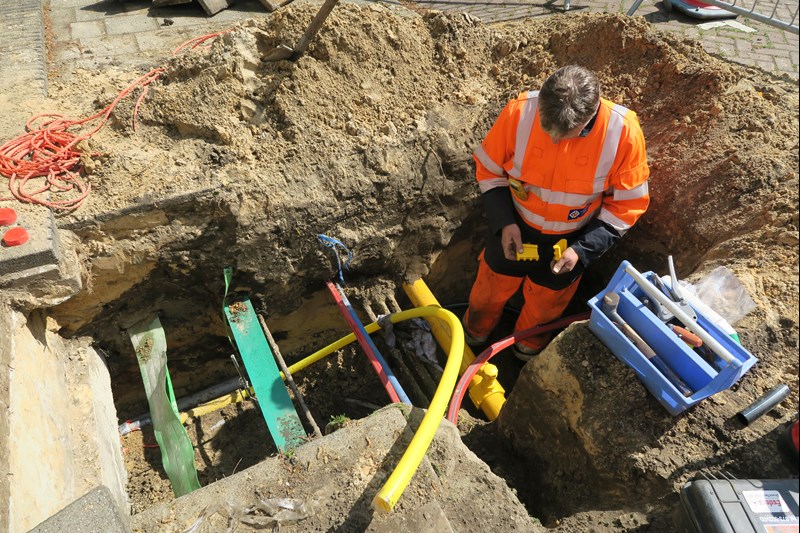
How do you start with Lean in infrastructure?
Implementing Lean does not require a large-scale reorganization, but it does require a conscious decision. It starts with the realization that improvement must become part of the daily work. Small steps, applied consistently, ultimately deliver major results.
Important points of attention at the start:
Leadership: project leaders and managers set the example by being visibly present on the work floor, asking questions, and encouraging improvement initiatives.
Visibility of the work: daily stand-ups, visual planning boards, and clear agreements create overview and shared focus.
Daily improvement: problems are discussed and addressed immediately, instead of being postponed.
Collaboration within the chain: Lean does not stop at your own organization; suppliers and partners are actively involved.
By documenting and embedding improvements, you prevent teams from falling back into old patterns and ensure that Lean remains part of daily practice.
Collaboration and ownership in projects
In infrastructure, Lean is mainly about people and collaboration. Project teams and chain partners are given ownership of their work and processes. Mistakes are not seen as failures, but as opportunities to learn and improve processes.
The impact of this is concrete:
better coordination and collaboration within and between teams;
higher predictability and fewer disruptions;
a safer and more efficient working environment;
greater employee involvement, which increases the quality of execution.
Especially in infrastructure, where complex projects depend on collaboration and trust, this makes the difference between a successful project and a project full of delays and additional costs.
Lean: building better projects and stronger teams
Lean in infrastructure is not a temporary approach or a project-based method. It is a way of working that provides control over complexity, reduces waste, and places employees at the center. The result is not only better planning or lower failure costs, but also stronger teams that collaborate based on trust and ownership.
Masters In Lean supports infrastructure organizations in this development, from strengthening Lean leadership to setting up a sustainable improvement system. Together, we build a Lean culture that works, today and in the future.